Making Innovation Easier in Food and Beverage Industry
Consumer values, interests, and—most importantly—taste buds, are rapidly changing. Companies that compete in the food and beverage industry need incredible product differentiation just to get noticed in the crowded field. But inspiration and luck alone won’t be enough to succeed.
The key to achieving
product differentiation is to embrace change and drive innovation, but this isn’t all intuitive—it requires collecting and managing a massive amount of data. The real question is, how do you handle the product lifecycle systematically?
Advancements in AI and automation technology are changing every industry, and the transformation has even come down to the food and beverage (F&B) sector. A dedicated
Product Lifecycle Management (PLM) platform is the missing ingredient.
The Biggest Opportunities (and Challenges) for Innovation in the Food and Beverage Industry
From advancements in science to simple consumer trends, 2025 is full of change in the marketplace. Here are some of the biggest impacts on F&B manufacturers:
New Food Safety Regulations
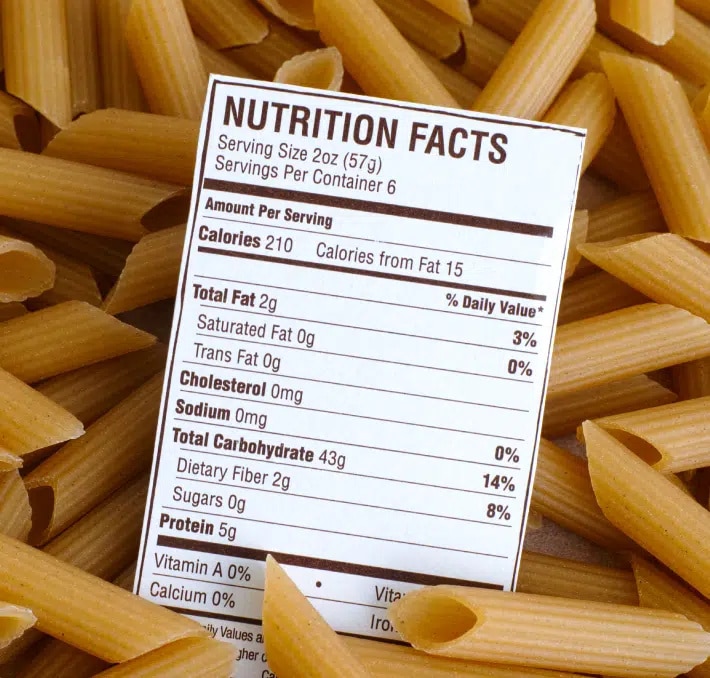
In-house research and development, scientific breakthroughs, food quality, safety, and regulatory compliance have always been critical factors to consider when developing a product. Food regulations are changing in ways that are shifting the market. Case in point, more than 50 countries implemented a tax on sugar, adding an unusual layer of complexity for manufacturers to calculate ROI of their products. The growing consumer demand for clean labels also puts more pressure on companies to maintain supply chain visibility.
Climate Change and Eco-Conscious Diets
Society has embraced a wellness movement that considers food to be one of the most important factors in overall health. With climate change, that outlook extends to include caring for the planet. A growing number of consumers are adopting plant-based, and sometimes entirely vegan, diets to mitigate carbon emissions. Alongside this movement is increased demand for sustainably or ethically sourced food and ingredients. F&B manufacturers are expected to improve traceability, even as they struggle to predict future trends and perfect new plant-based recipes.
Competition from Startups and Retailers
Finding shelf space in the fast-moving consumer goods sector is increasingly daunting as retailers are focused more on microtrends in food products. This makes it easy for disruptive startups to gain a foothold in retail—but also difficult to maintain when the trends change. Now, every player in the industry has to innovate new products or reformulate them, a process that requires significantly more cost, time, management, and labor.
Creating a Recipe for Success with Plm Technology
Innovation is the only way to thrive, or even survive, in the current F&B marketplace. However, innovation—from product development to proof of concept—is incredibly time consuming, with a longer idea-to-market pipeline than some trends might even last.
Having complete control over and insight into the product lifecycle is essential for innovation. These days, that encompasses every aspect of a product, including raw material sourcing, recipe development, optimization, targeting, labeling, and packaging material. Excel spreadsheets aren’t up to the challenge of keeping all that data organized.